Luck versus skill What truly influences success in gambling
Understanding the Role of Luck in Gambling
Luck is often perceived as a significant factor in gambling, with many players attributing their successes or failures to chance. In games like slots or roulette, the outcome is primarily random, meaning that players have little control over the results. This randomness creates an illusion of luck as the central force in these games. While it’s true that luck plays a major role, it’s essential to recognize that it doesn’t guarantee consistent success. Many enthusiasts are drawn to the thrill of games, exploring best online casinos that promise exciting experiences.
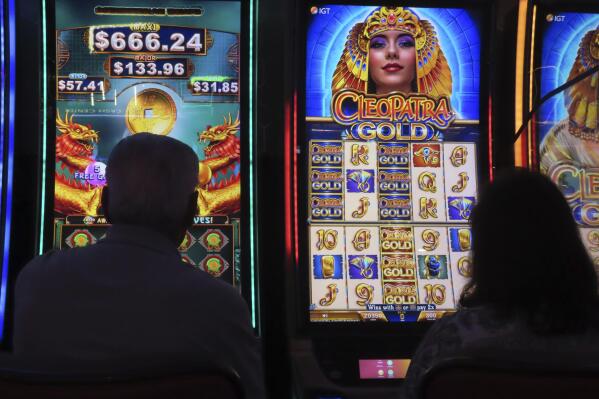
The psychological aspect of luck can lead players to engage in superstitions, such as choosing specific numbers or following certain rituals before placing a bet. These behaviors stem from a desire to influence outcomes, even when the odds are inherently against them. Understanding luck’s role can help gamblers manage their expectations and recognize that while they may experience winning streaks, these are often temporary and not indicative of skill.
The Importance of Skill in Casino Games
Skill becomes a dominant factor in games that require strategy and decision-making, such as poker and blackjack. Players who invest time in learning the rules, strategies, and probabilities associated with these games can significantly enhance their chances of winning. This knowledge enables skilled players to make informed decisions, outsmart their opponents, and mitigate losses.
Moreover, skillful players can adapt to different situations and opponents, adjusting their strategies accordingly. This adaptability is crucial for long-term success in competitive environments, where luck may not always favor the player. In essence, while luck can lead to a win, skill is often the deciding factor in sustaining that success over time.
The Psychological Aspects of Gambling
Gambling is not only about luck or skill; the psychology behind gambling greatly influences a player’s behavior and decisions. Cognitive biases, such as the gambler’s fallacy, can lead individuals to misinterpret random events, believing that a winning streak is likely to continue or that a loss must be followed by a win. These misconceptions can distort judgment and result in poor betting decisions.
Furthermore, emotional factors play a significant role in gambling. Many players chase losses or bet more when they are feeling lucky, often leading to irrational decisions. Recognizing these psychological influences can help gamblers develop a more balanced approach, blending both luck and skill while remaining aware of emotional triggers.
The Balance Between Luck and Skill
The dynamic interplay between luck and skill is what makes gambling both thrilling and complex. In many instances, players need a combination of both to succeed. While luck can provide an initial boost, skill allows players to navigate through a game intelligently, maximizing opportunities and minimizing risks.
Establishing this balance is key. A successful gambler understands that while they may not be able to control every aspect of luck, they can enhance their skills through practice and study. This mindset fosters a healthier gambling approach, where players recognize their limits and play responsibly, ultimately leading to a more enjoyable experience.

Exploring Resources on Gambling Strategies
For those interested in delving deeper into the psychology of gambling and the balance between luck and skill, there are various resources available. Websites focused on gambling education can provide insights into strategies and techniques that improve decision-making and enhance skill levels. Understanding the nuances of different games can empower players, helping them make informed choices and enjoy their gambling experience more.
Additionally, engaging with communities and forums can offer support and shared experiences from other gamblers. By sharing knowledge and strategies, players can develop a more comprehensive understanding of the gambling landscape, further bridging the gap between luck and skill.